If you’re buying land in the Hill Country, you’ll hear the words “ag exemption” a lot. I run cattle on my own place for our ag valuation, and I also run cattle on a neighbor’s property so their land keeps its ag valuation too. So this is close to my heart. It’s also one of the most misunderstood parts of buying acreage, and it can make a big difference in your property taxes. Here’s the plain-English version.
It’s a valuation, not an exemption
What everyone calls an ag exemption is really an agricultural valuation. Instead of taxing your land at its market value, the appraisal district taxes it based on what it can produce through agriculture. On rural land, that can lower the tax bill a great deal. You still pay taxes, just on a much lower value. Your home and the land right around it are still taxed at market value.
How land qualifies
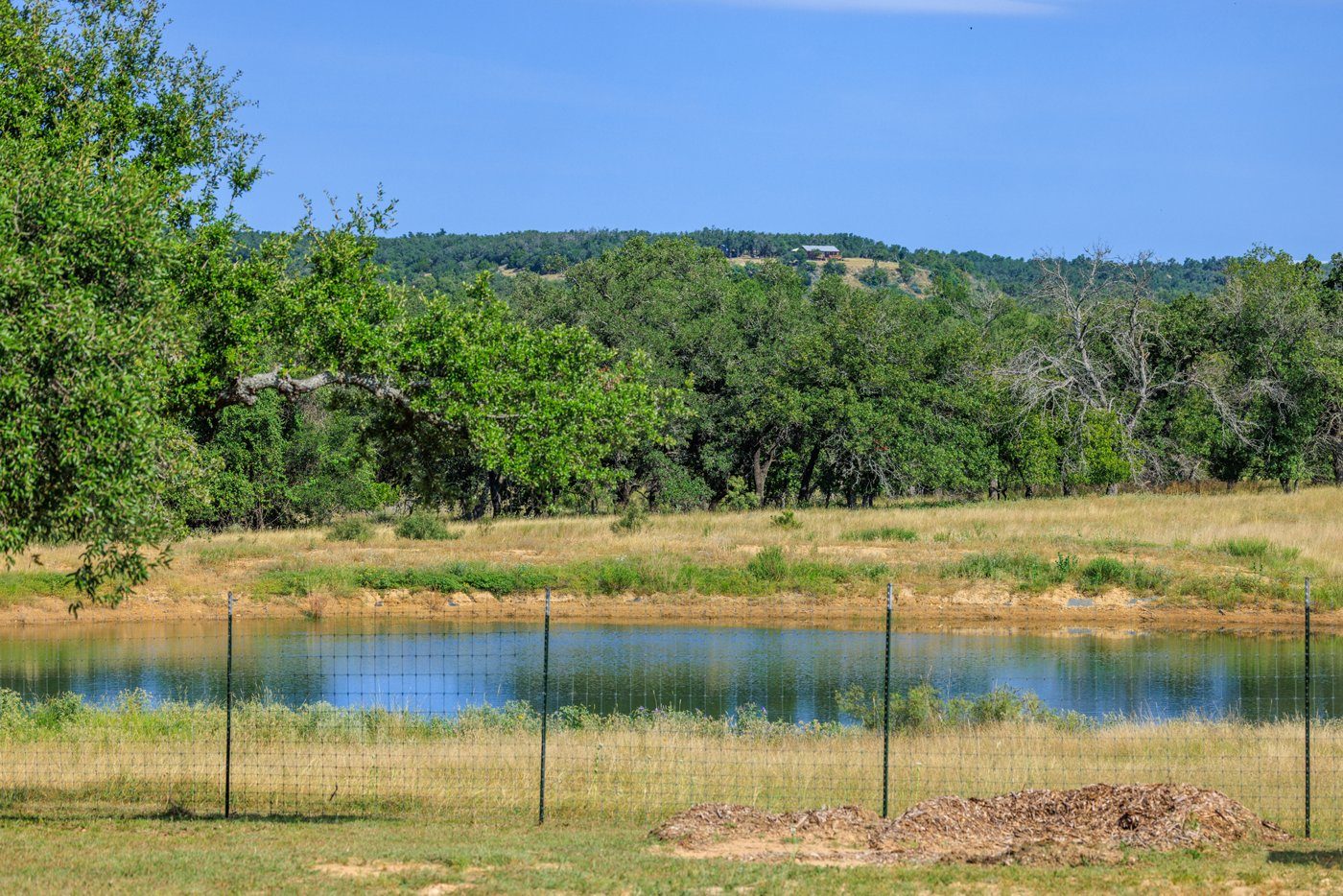
Land generally has to be used primarily for agriculture, like grazing cattle, goats or sheep, growing hay, or raising crops, at a level that’s typical for the area. It usually also needs a history of that use for several years. Each appraisal district sets its own guidelines for things like minimum acreage and stocking rates, so for land here, the Gillespie Central Appraisal District is the place to check.
Wildlife valuation
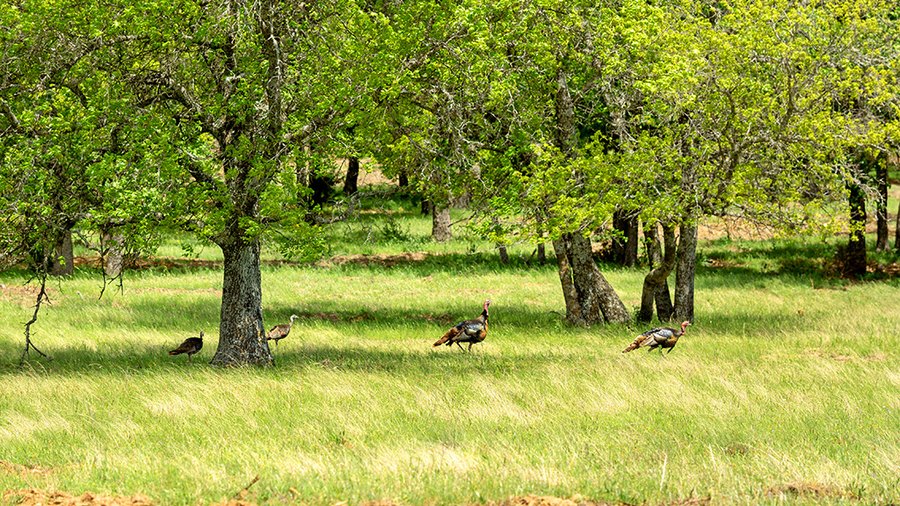
Land that already has an ag valuation can switch to a wildlife management valuation. Instead of running livestock, you actively manage the land for native wildlife by following a written plan and doing several qualifying activities each year, like providing water, adding habitat, controlling erosion, or doing wildlife counts. It’s a great fit for buyers who love the land but don’t want to raise livestock.
What happens when you buy
- It doesn’t automatically carry over. The valuation depends on how the land is used. As the new owner, you’ll typically need to file your own application with the appraisal district and keep the qualifying use going.
- Ask for the history. I ask sellers for their current use, any grazing or hay lease, and their wildlife plan if they have one.
- Leases can help. If you don’t want to run livestock yourself, many owners lease their land to a local rancher. That’s exactly what I do for my neighbor: my cattle graze their land, and the property keeps its ag valuation. We’ll look at whether an existing lease continues after you buy.
- Know the rollback rule. If land with an ag valuation is changed to a non-agricultural use, rollback taxes can be due for several prior years, plus interest. Your contract should spell out who pays them.
Plan before you buy
If keeping the ag valuation matters to you, tell me early. It can shape which properties make sense, what you write into the contract, and what you’ll need to do after closing. Every property is different, so always confirm the current requirements with the Gillespie Central Appraisal District and talk with your tax advisor. And if you’d like to see how a working place runs, I’m happy to show you mine.
— Sheila